VRX Pressure De-Coupled · Multi-Zone Direct Replacement
Legacy multi‑zone rooftops are orphans. The original manufacturer is gone, discontinued, or no longer builds anything that fits — so the advice is always to redesign the whole system. VRX builds the replacement instead.
01 / The orphan problem
Multi‑zone rooftops were built by manufacturers who have since been acquired, renamed, or have simply stopped making anything with that geometry. When one reaches end of life, the building is told the same thing every time: this is not a replacement, it is a redesign.
And a redesign means new ductwork, new terminal units, a new curb, a new electrical scope, a longer schedule, and a building that has to be opened up far past the roof to do it. Which is why so many of these units are still running, well past the year they should have come out.
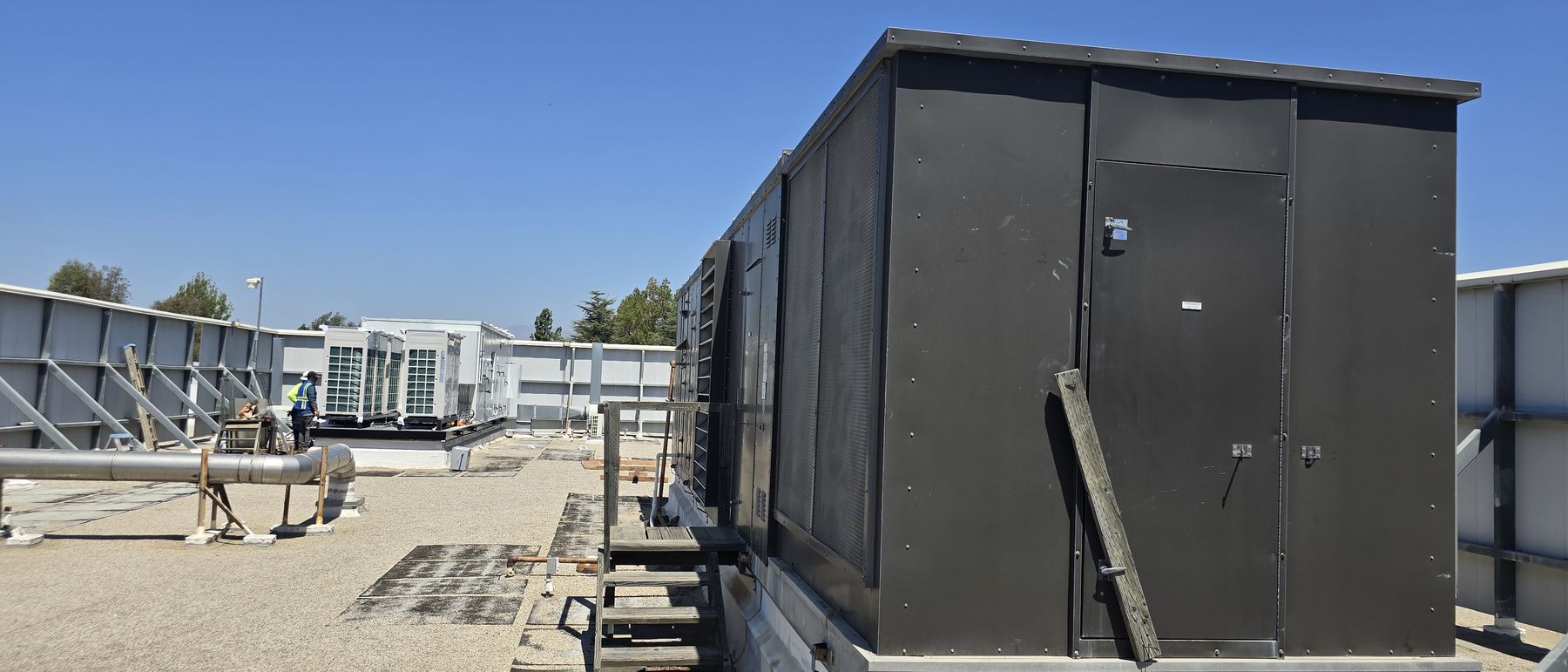
The unit is obsolete. The curb, the ductwork and the electrical service are not.
02 / Watch it happen
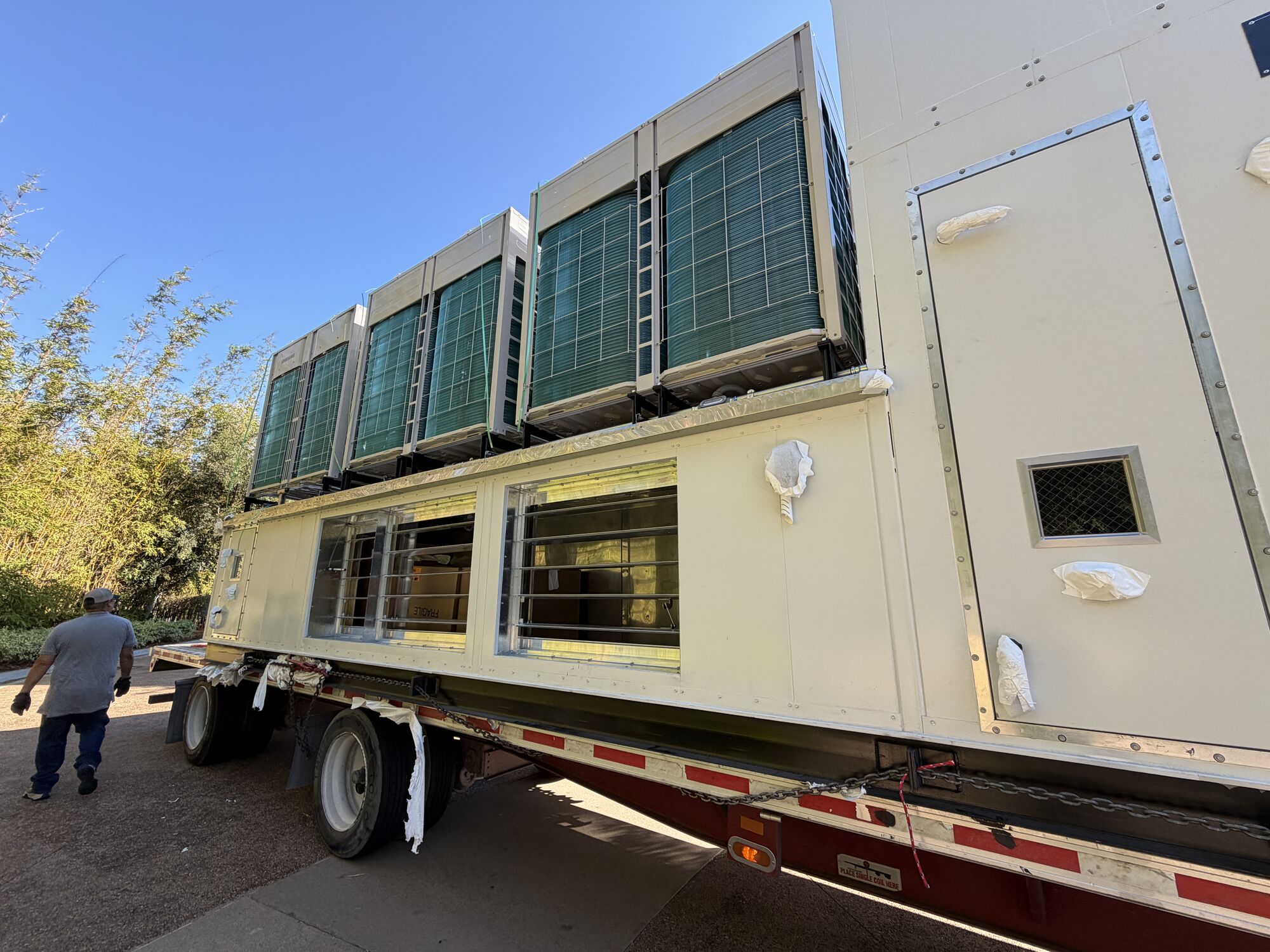
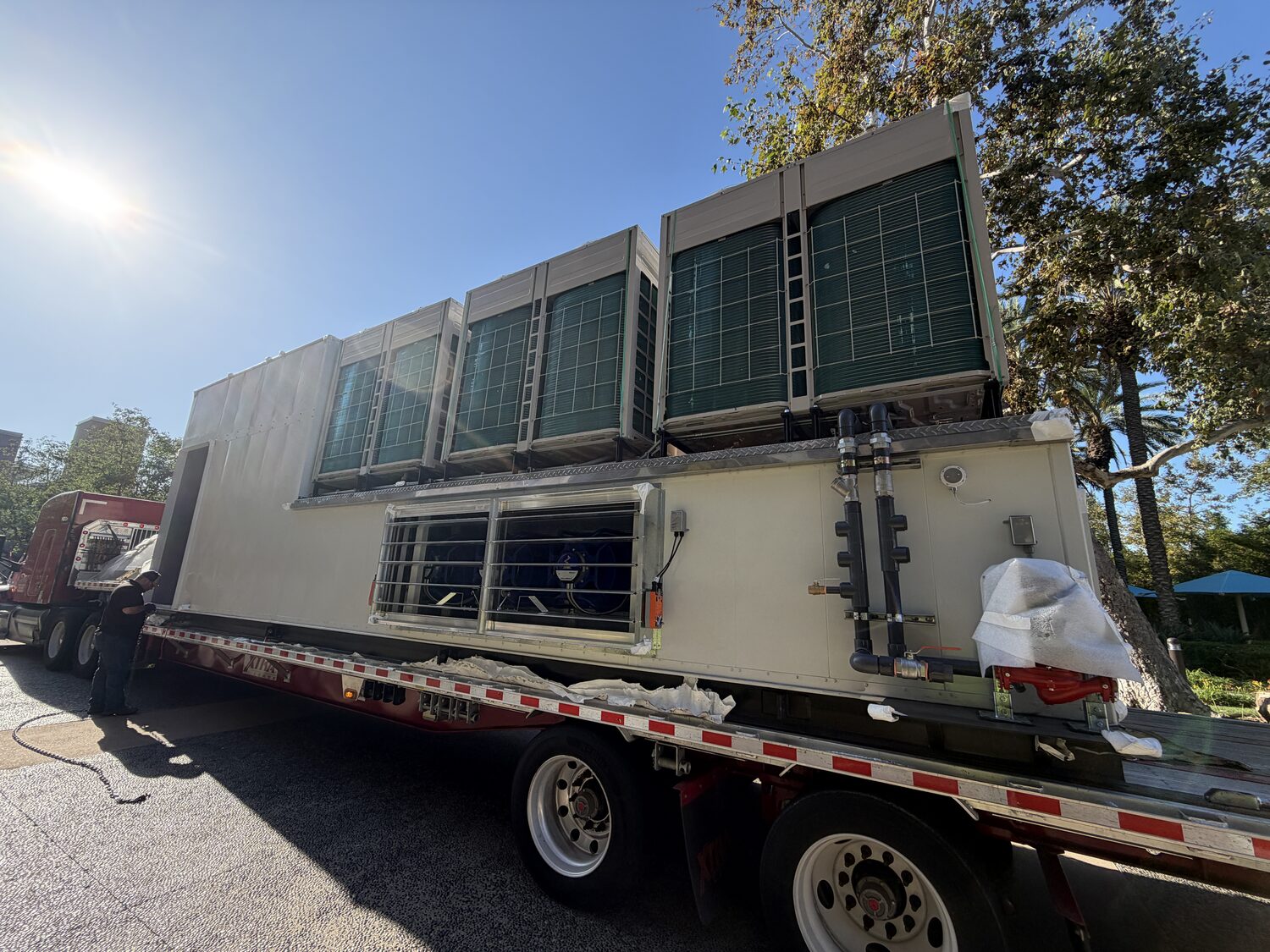
Each unit is engineered to the building it is going into — matched to the existing curb and ductwork rather than asking the roof to match a catalog product.
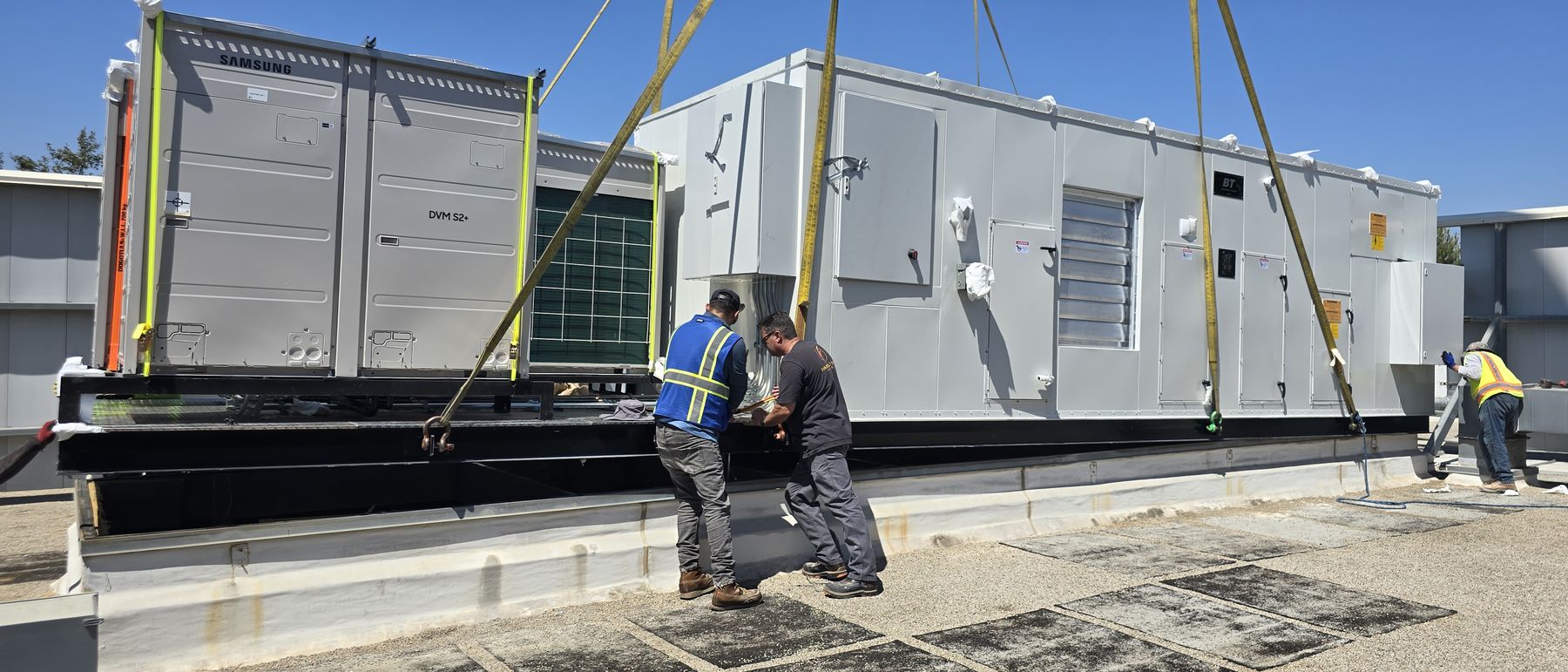
That is what compresses the work into a window you can schedule. The old unit comes off, the new one goes on the same curb, and the building is not opened any further than the roof.
03 / Introducing VRX LatentZone
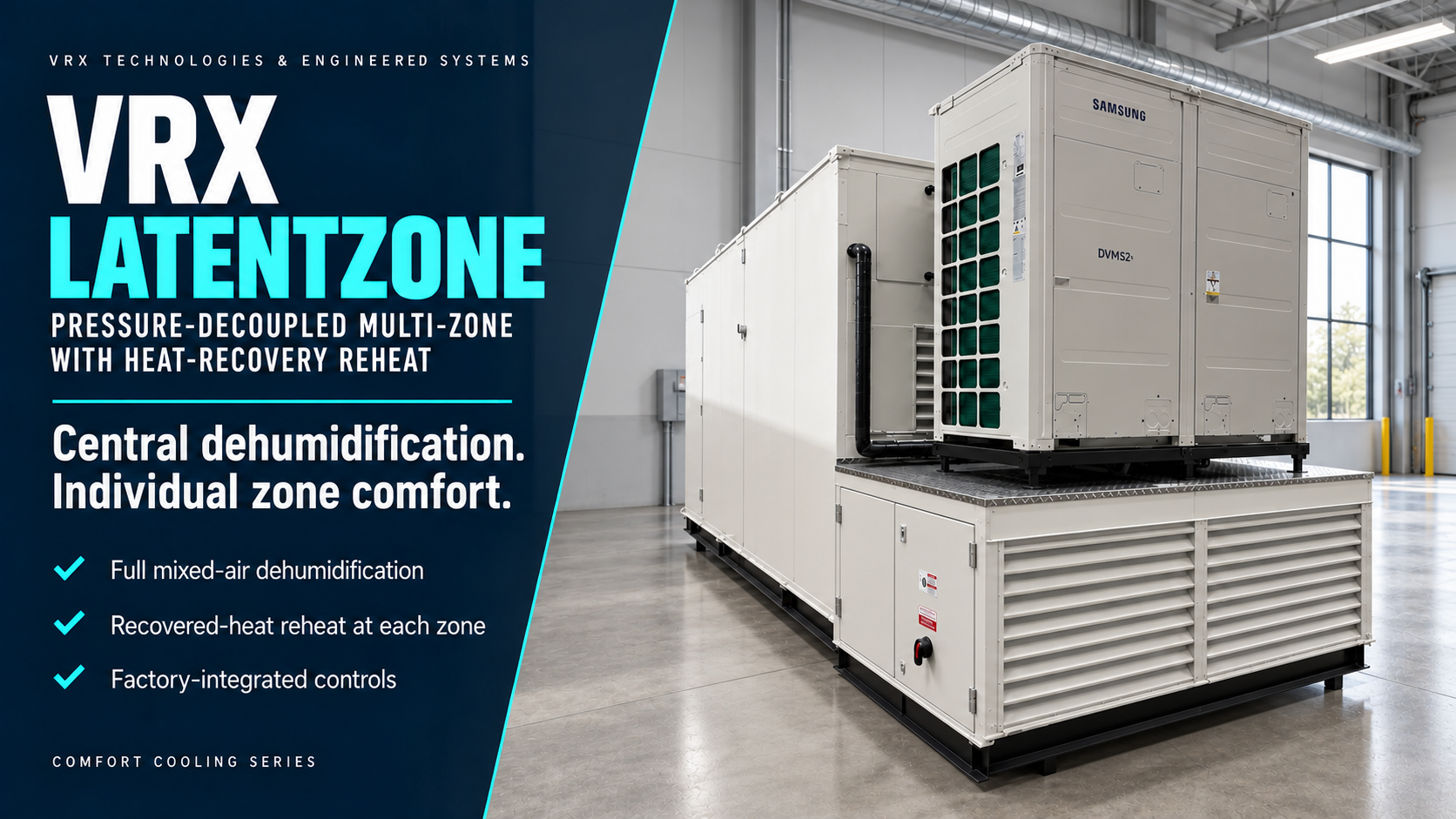
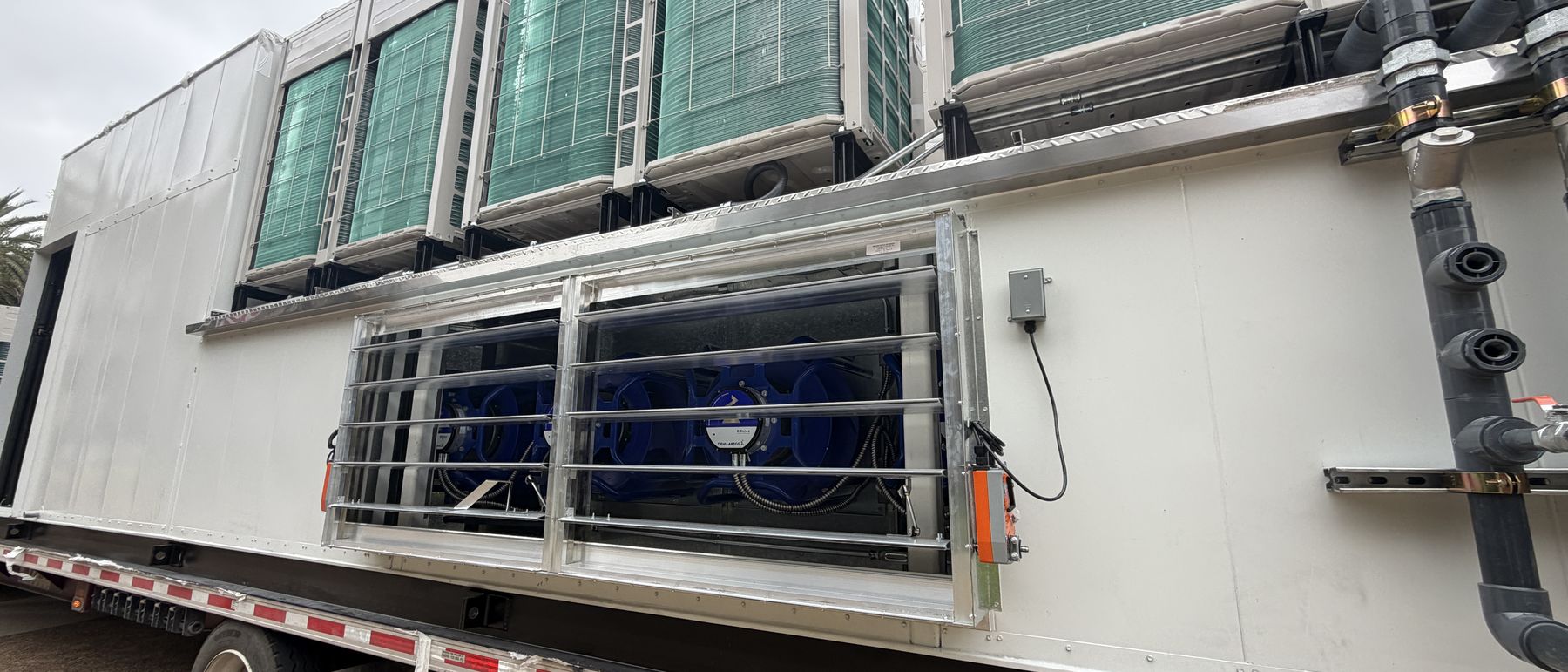
Meet LatentZone, the comfort cooling series within VRX Pressure De-Coupled: multi-zone conditioning with full mixed-air dehumidification and heat-recovery reheat at each zone.
Full mixed-air dehumidification addresses moisture in the combined return-air and outdoor-air stream.
Recovered heat reheats dehumidified air to suit each zone’s temperature needs.
Factory-integrated controls coordinate central dehumidification and individual zone comfort.
04 / What direct fit actually buys you
No curb adapter engineering, no new roof penetration, no roofing scope chasing a different footprint.
The duct that serves the zones stays where it is, so the ceilings below stay closed.
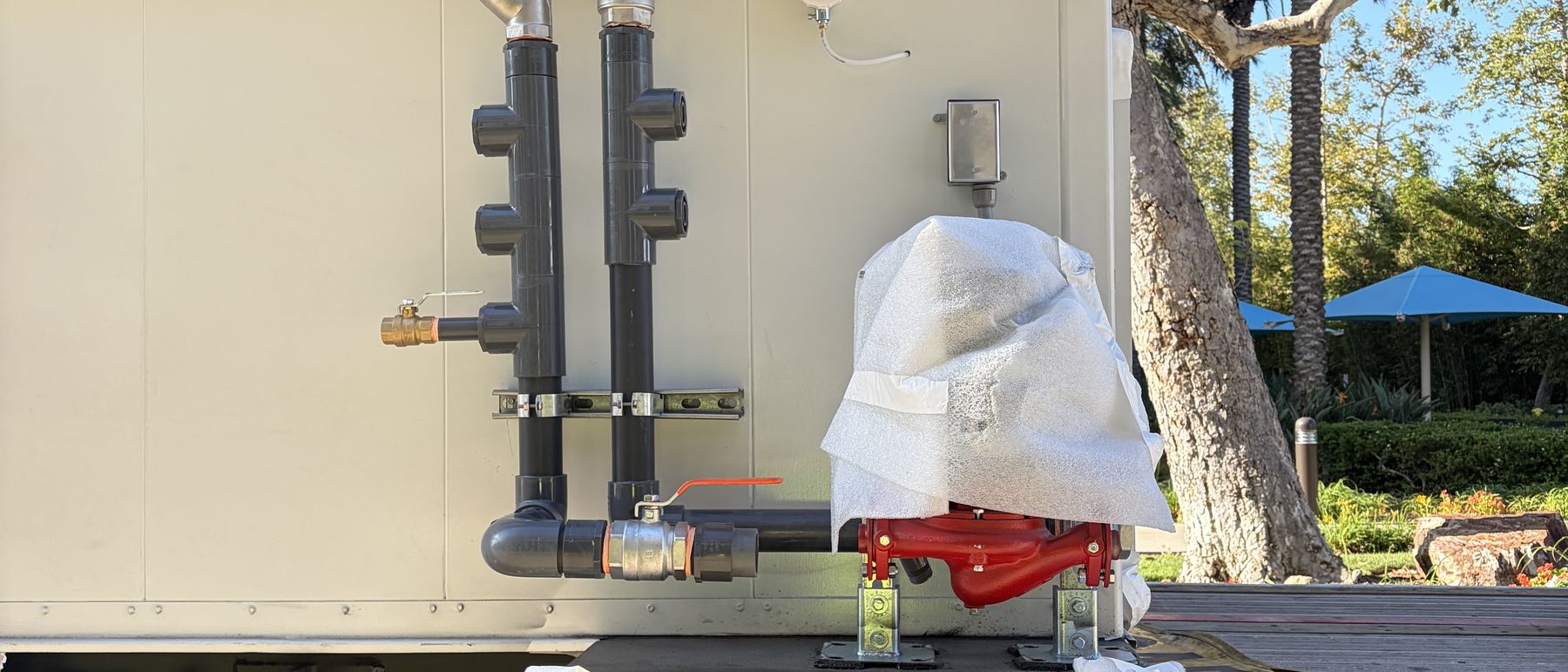
One connection rather than a field-assembled collection of separate feeds and disconnects.
Controls arrive commissioned as a unit instead of becoming a field integration project of their own.
05 / What the building gets
A legacy multi‑zone unit typically heats and cools by mixing air and throwing away the difference. That is why these buildings tend to be simultaneously uncomfortable and expensive.
The replacement gives every zone real control, and recovers energy rather than discarding it — so the comfort complaints and the operating cost improve from the same change, on the same curb, in the same window.
06 / Not a prototype
The first VRX multi‑zone was designed by our Southern California team in 2010, and the first prototype was built in 2013. This is not a product that was invented for a decarbonization deadline.
That matters when you are the engineer signing the drawings. The approach has been through real buildings, real curbs, real inspections and real winters — and the lessons from those are in the equipment that ships today.
07 / Where it fits
Buildings full of aging multi‑zone equipment, tight summer windows, and maintenance teams stretched thin.
Occupied buildings where the tenants stay and the work has to fit around them.
Legacy multi‑zone rooftops of any make, including built‑up equipment that never carried a recognisable nameplate.
More than eight zones, or zones needing heating and cooling at once? See Reverse Polarity. Dual deck? See PowerGuard.
08 / Written for the reviewer
Every unit is selected against the curb, the duct connections, the zone loads and the electrical service that actually exist on your building — and your design team gets that analysis in the form they have to defend it in.
We will not tell you a product is code‑compliant. Adoption, amendments and local enforcement vary, and every project needs its own engineering validation and authority review.
Even if the manufacturer no longer exists. Send the unit, the zone count and the curb dimensions, and we will tell you what a direct replacement looks like on your roof.