Rooftop Electrification · Multi-Zone & Dual Deck
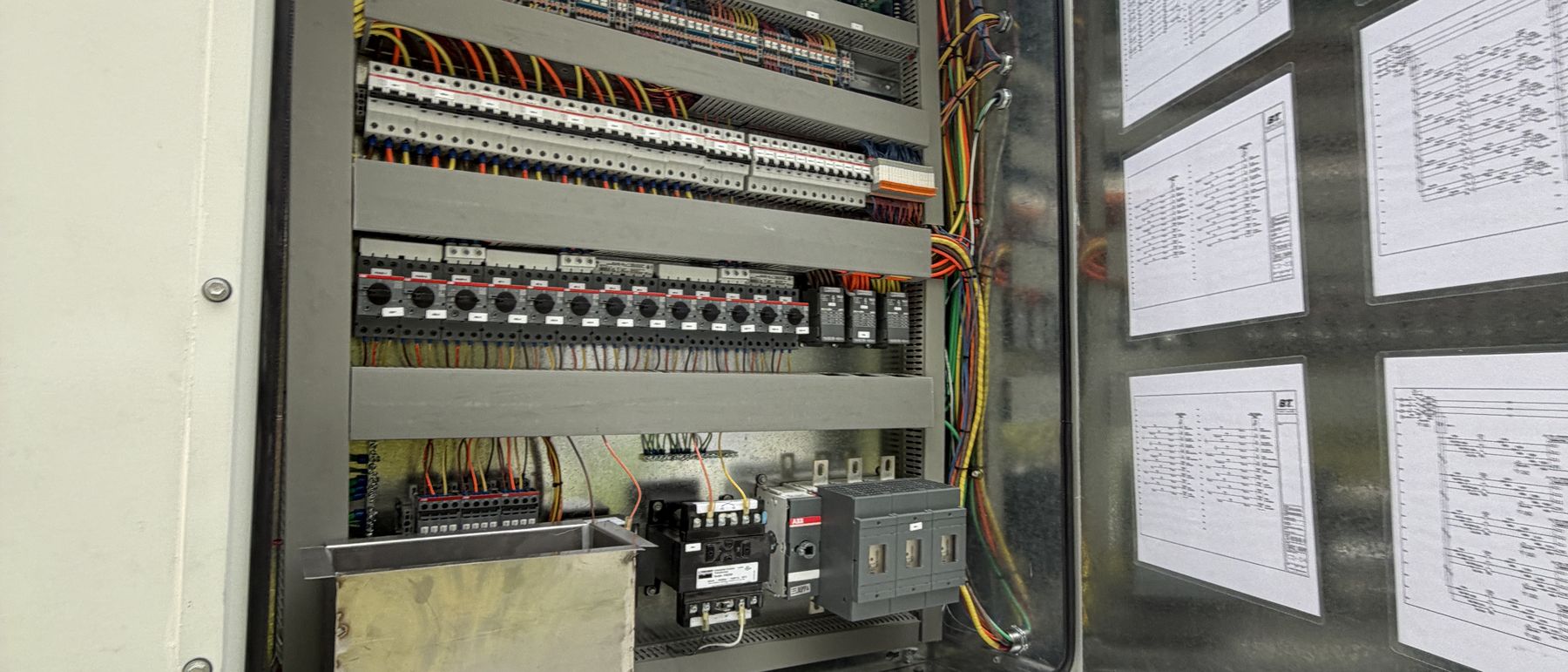
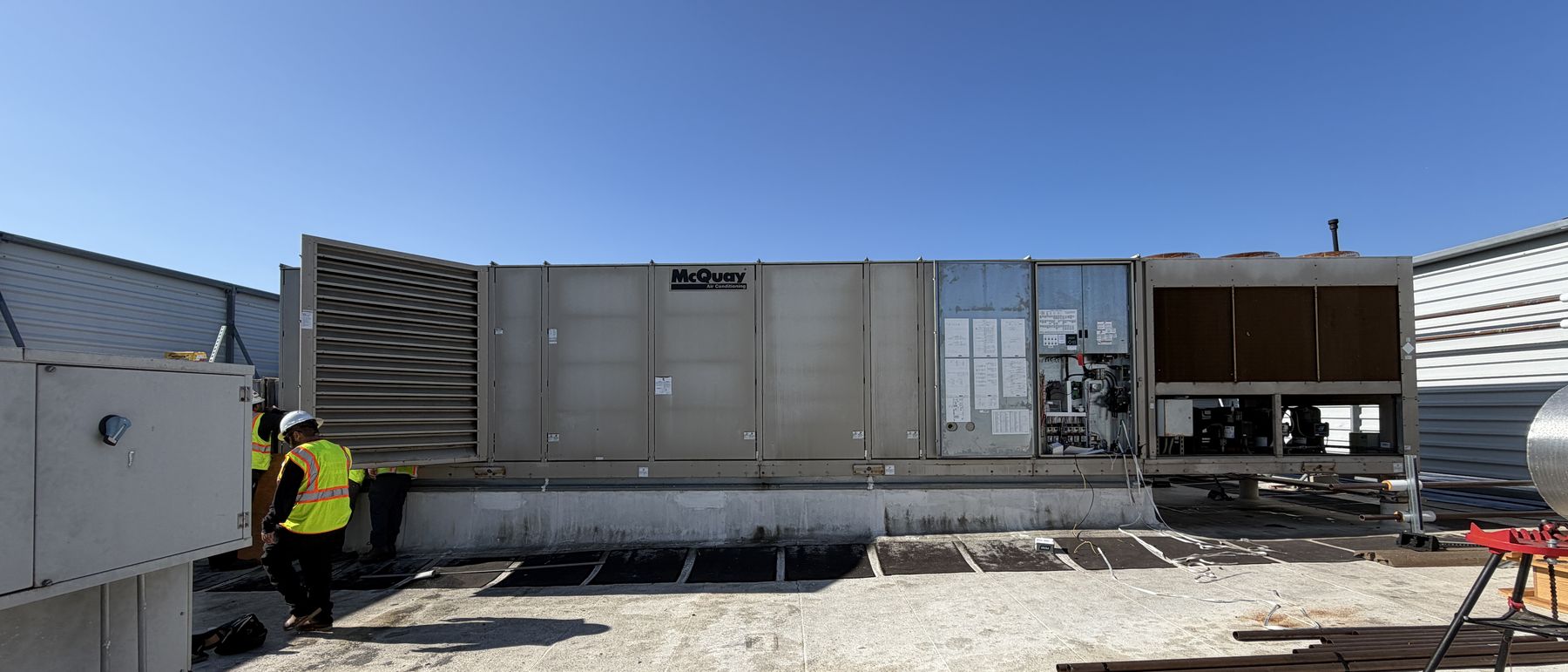
Multi‑zone and dual‑deck gas/electric rooftops are the hardest equipment in any building to electrify. VRX has three engineered ways to do it inside the service the building already has — and which one you need depends on the unit you have.
01 / Why these are the hard ones
A gas/electric rooftop was wired to run cooling. Heating came from gas, so it cost the electrical system almost nothing. That single fact is why these units have sat on decarbonization plans for years while easier equipment got replaced around them.
Electrify both halves the conventional way and the connected load goes up sharply — often past what the existing feeder and breaker can carry. At that point the project stops being an equipment replacement and becomes an electrical project: new feeder, new breaker, possibly new switchgear, possibly a utility service upgrade, and a schedule that now depends on the utility rather than on you.
The equipment was never the obstacle. The obstacle is what the equipment does to the electrical room.
Multi‑zone and dual‑deck units make it harder still, because they serve many zones from one machine and can be asked to heat and cool at the same time — which is exactly the condition that makes a conventional all‑electric conversion look like it needs two full-size systems.
02 / Three approaches
These are not three versions of the same product. They are three different engineering answers, and the right one is determined by the unit on your roof — its type, its zone count, and whether it has to heat and cool simultaneously.
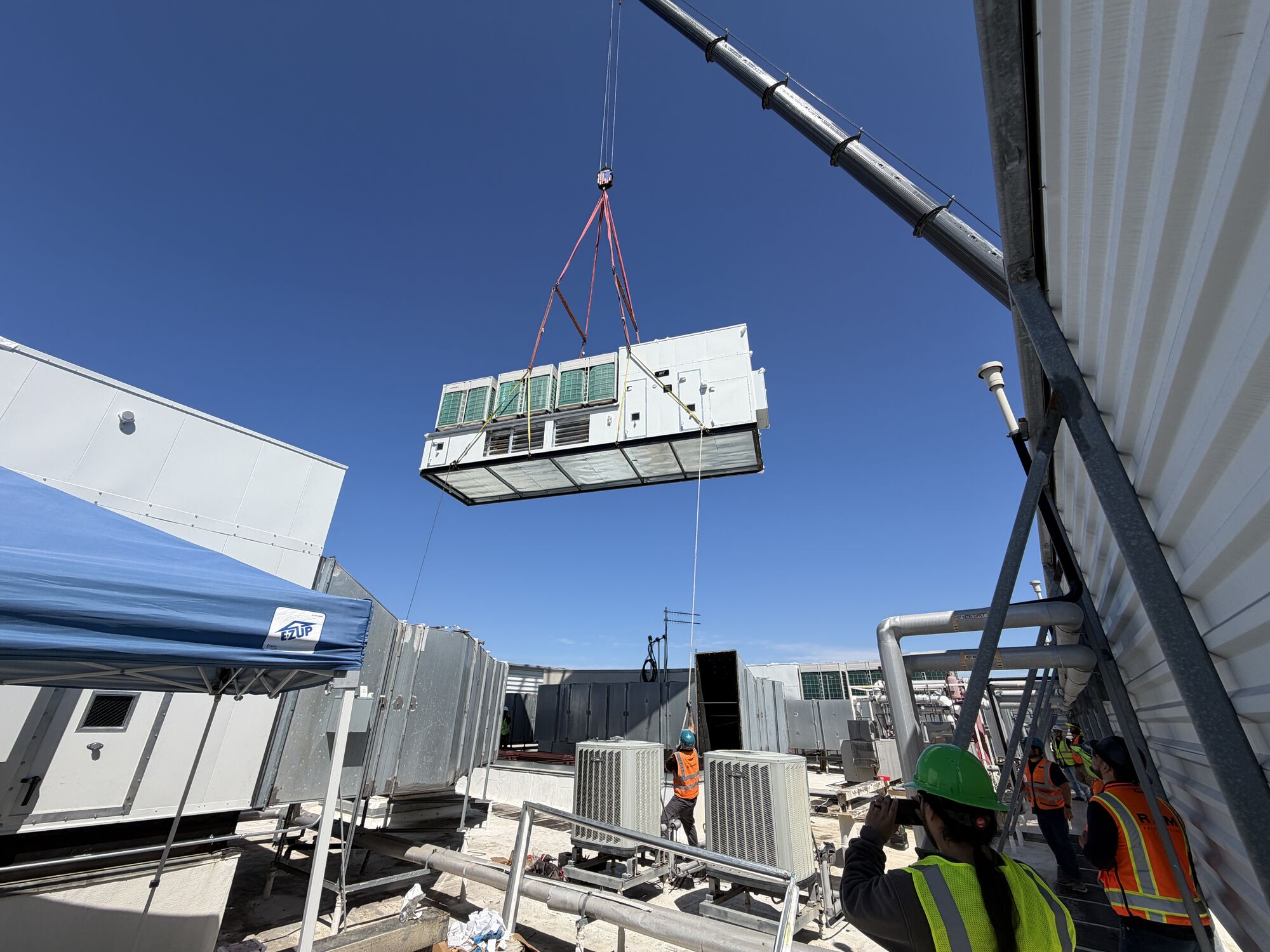
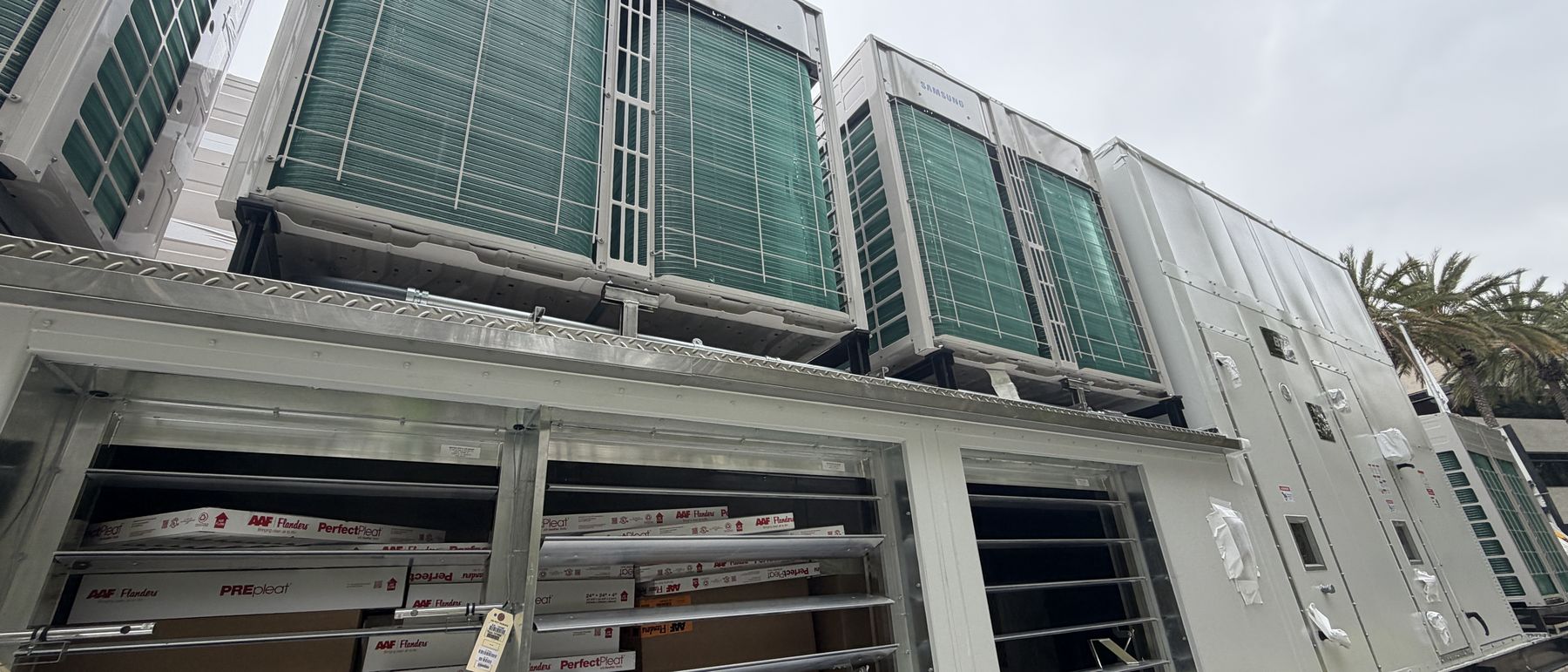
A direct replacement for existing multi‑zone units serving up to eight zones, built around the curb and ductwork already on the roof. Efficient zone control with heat recovery, on single‑point power.
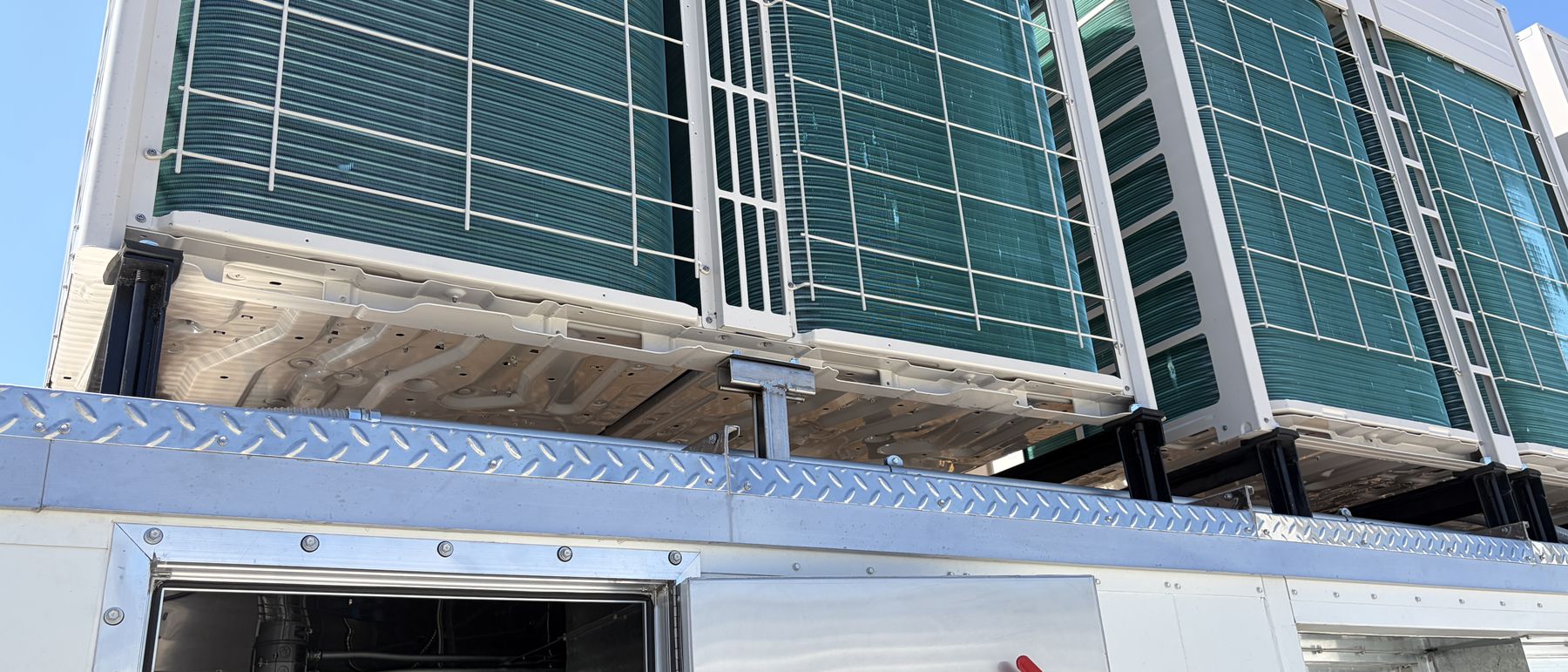
For larger multi‑zone applications, new or retrofit, where zones need heating and cooling at the same time. Electrifies with reduced connected load rather than two full‑capacity systems. Patent‑pending.
For dual‑deck and large packaged units where both decks become electric. Intelligent demand and load management keeps real operating current inside the existing feeder and breaker.
03 / How to tell which one you need
A guide, not a selection. Real projects get selected on the equipment schedule, the available service, the zone loads and how coincident they actually are.
04 / What all three share
Designed to stay inside the feeder, breaker and utility service already serving the legacy unit.
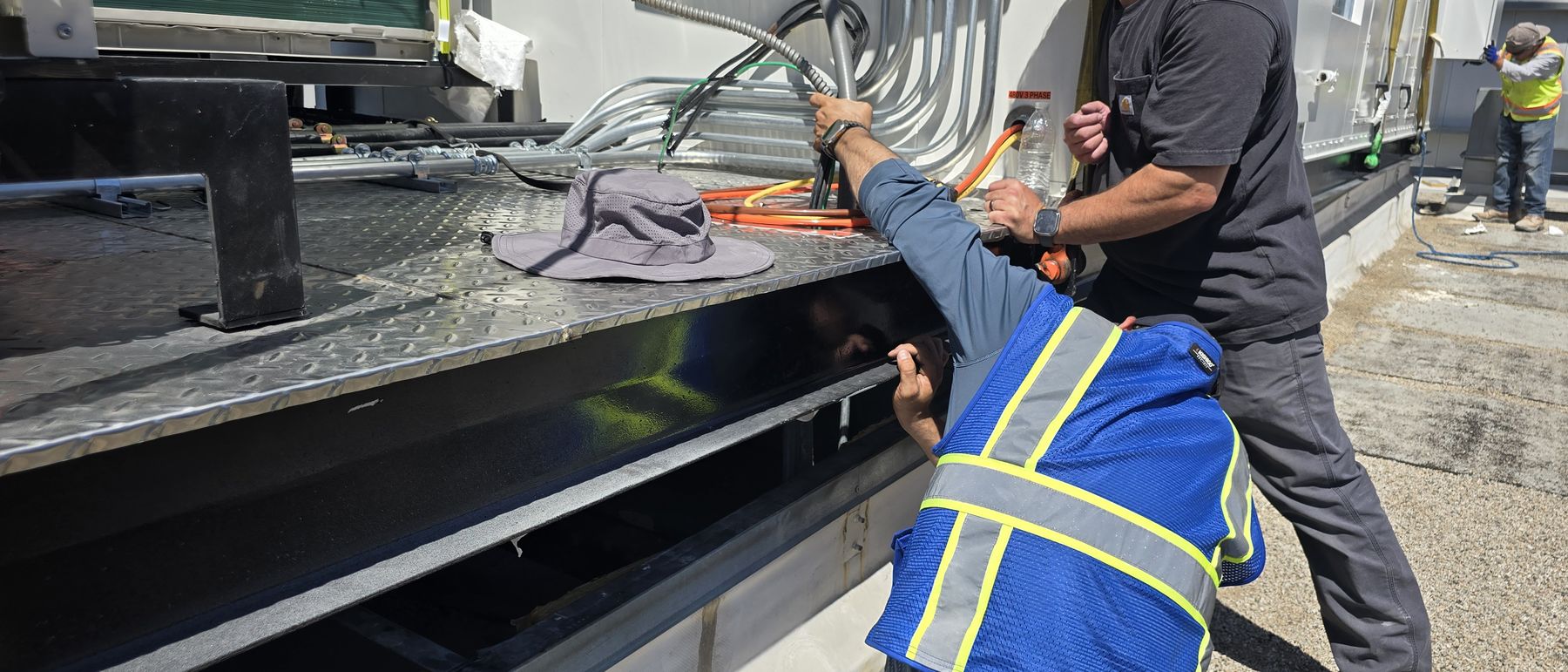
Built around what is on the roof so the building is opened as little as possible.
Electrify when the legacy unit was going to be replaced anyway — not on a separate capital cycle.
Tenants stay, the building keeps running, and the work happens in a window you can schedule.
05 / Written for the reviewer
The whole premise of these three approaches is an electrical claim, so that is the claim we document. Your engineer gets the load analysis, the coincidence assumptions and the operating basis in the form a plan checker expects to read them.
We will not tell you a product is code‑compliant. Adoption, amendments and local enforcement vary, and every project needs its own engineering validation and authority review.
Tell us what is on the roof and what the electrical room has left. We will tell you which of the three approaches fits, and what the connected load looks like when it is done.