VRX Technologies
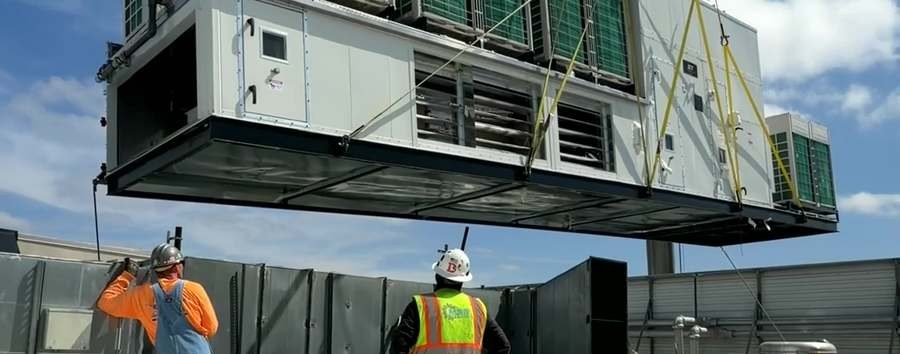
Rooftop unit being craned into position during a direct-fit changeout

VRX-RTU · 80–200 Ton Rooftop Electrification

Retire the boilers on the day you replace the rooftops.

The rooftop units are coming out anyway. Done at that moment, the building’s gas boilers can come out with them — without adding a single amp to the building’s connected power.

80–200 T
Unit range
Zero
Added connected amps
8 hr
Designed replacement window
5 → 1
Systems consolidated

01 / The timing

The boiler question has an expiration date.

In most buildings, retiring the gas boilers is treated as its own project — a separate design, a separate budget cycle, a separate mobilization, and a separate disruption to a building that is still occupied. So it keeps getting deferred, and the gas stays.

But the rooftop units reach end of useful life on their own schedule, and when they do, the roof is already open, the crane is already booked and the capital is already approved. That is the one moment when the boilers can leave without a second project to justify.

Miss that window and you have bought yourself another fifteen or twenty years of gas.
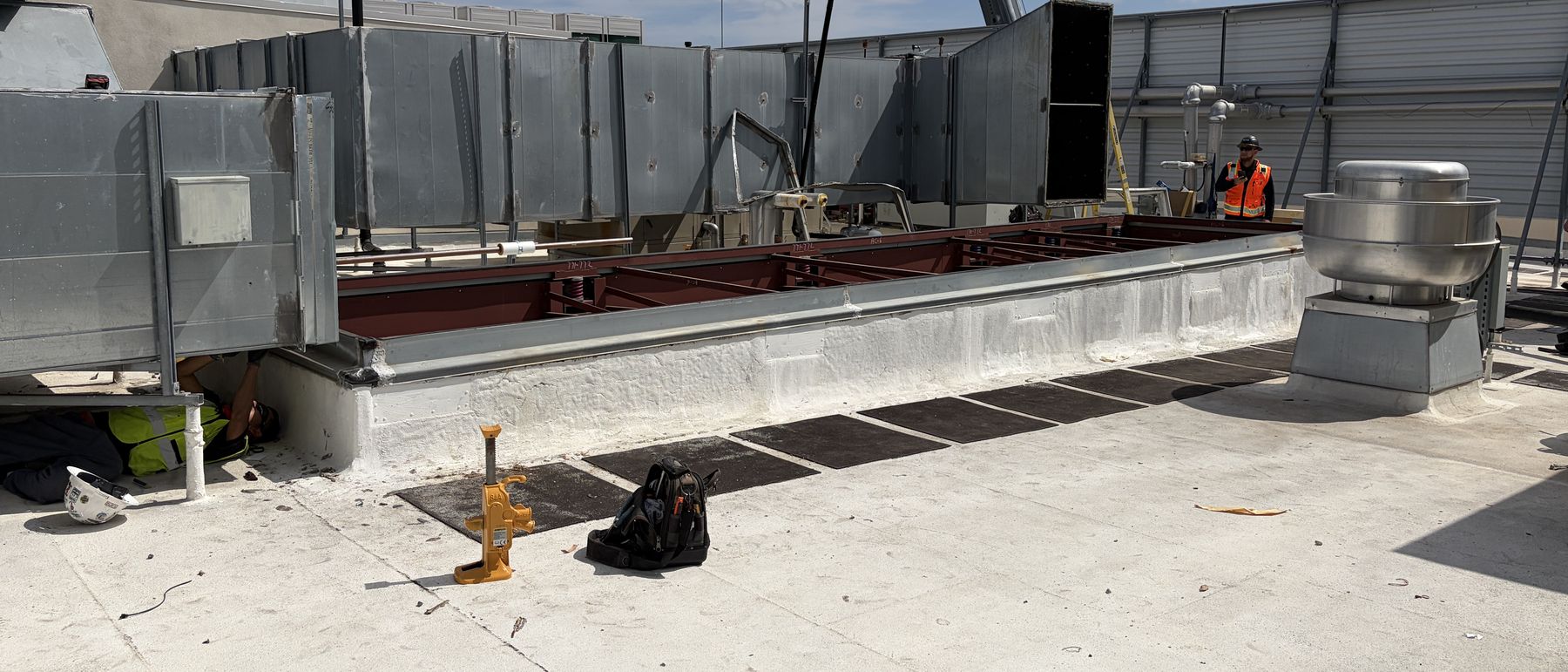
Rooftop opened for a unit changeout, existing structural steel and ductwork exposed with the crane rigged overhead
The roof is already open and the crane is already booked
02 / Watch it happen

A direct-fit changeout, on the existing curb.

McQuay RPS direct replacement with hot water generation — serving the VAV boxes, retiring the boilers

Direct fit means the building stays shut.

The unit in this video is a direct replacement for legacy McQuay RPS equipment, generating the hot water that serves the VAV boxes so the gas boilers can be retired in the same move. The same approach applies to any legacy brand — including built‑up equipment that never carried a nameplate anyone recognises.

That is what keeps the work inside a scheduled window instead of turning into a roof project with an open-ended end date. Tenants stay in the building. The crane comes once.

03 / What one unit replaces

Five systems, consolidated onto the roof.

Buildings running VAV reheat or active chilled beams usually need a small central plant to support them — and a plant means a room, a plant‑room budget and a maintenance program. VRX‑RTU puts those functions on the roof, in the footprint the old unit already occupied.

Dedicated outdoor air systemConsolidated
Separate exhaust / relief fanConsolidated
Gas boiler or heating-water sourceRetired
Chilled-water chillerConsolidated
Plant controls and distribution pumpsConsolidated
Simultaneous hot and chilled waterFrom one rooftop unit
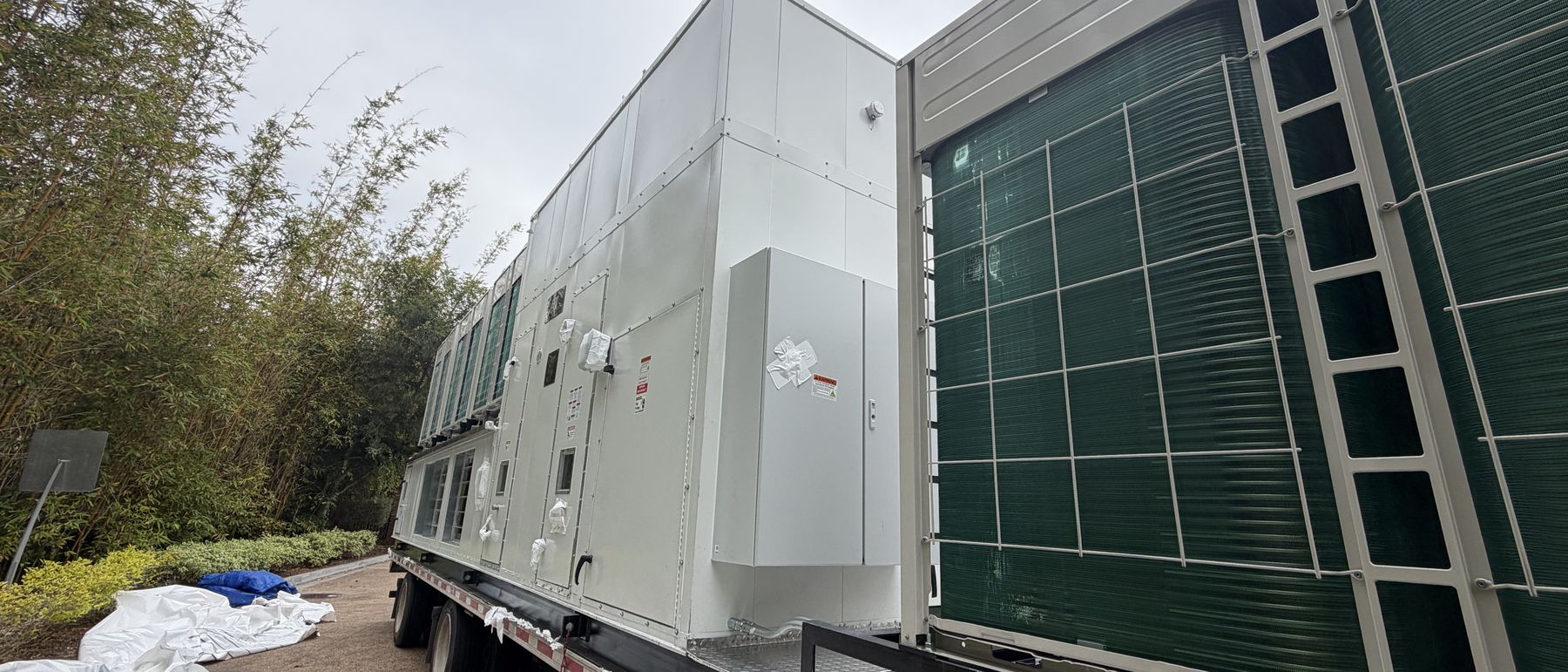
Full-length replacement rooftop unit on a flatbed, condenser coils and integrated sections visible end to end
One unit carrying what used to take five systems

04 / Connected load

The gas leaves. The amps do not arrive.

This is the claim the whole approach rests on, so it is the one we document first. VRX‑RTU is engineered to retire the building’s gas heating while staying inside the connected power of the legacy units it replaces.

No new feeder, no breaker upsize, no switchgear decision, and no utility service application sitting on a critical path you do not control — which is exactly what turns most boiler-retirement plans into projects that never start.

Gas boilersRetired
Connected powerNo added amps
Existing curb and ductReused
Terminal systemsVAV reheat or chilled beam

Project‑specific. Verify existing electrical service, MCA/MOCP, selected capacities and operating sequence on every job — we do that analysis before it reaches a specification.

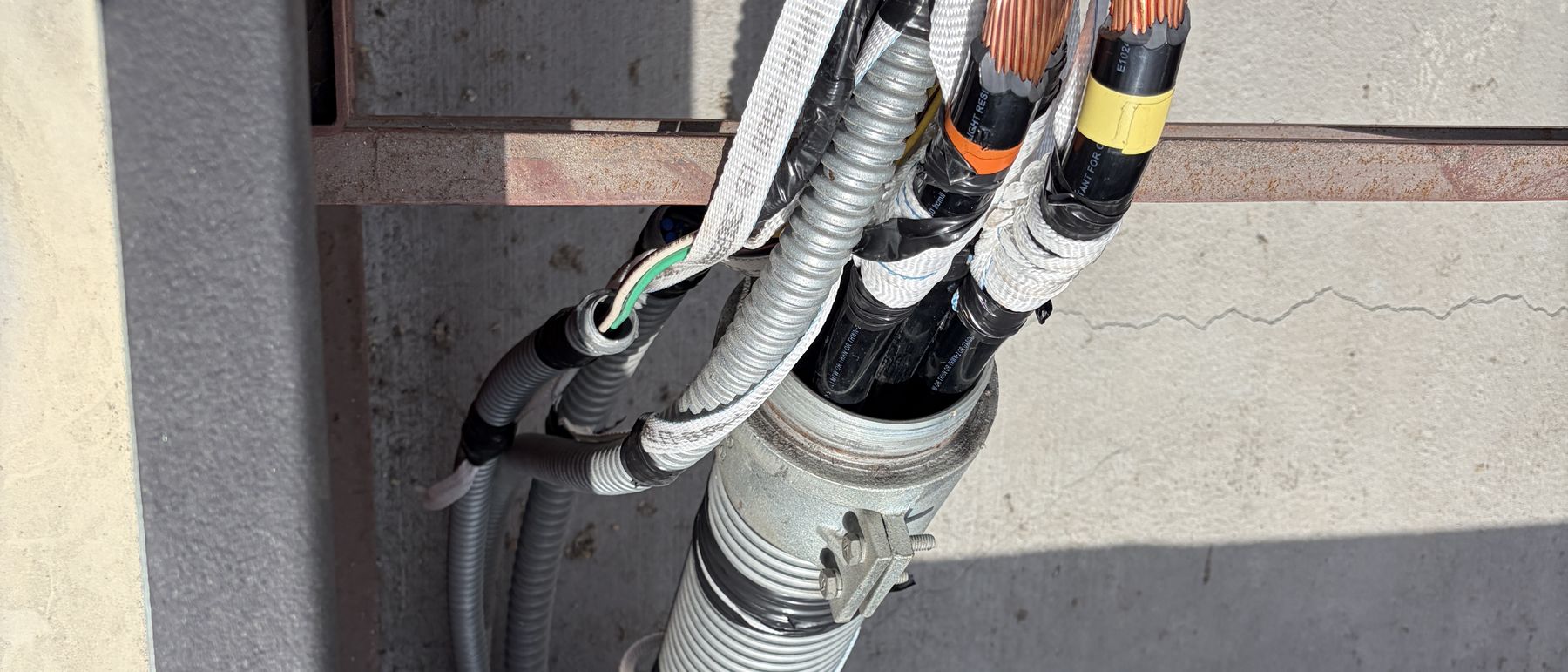
Existing building feeder conductors landed at the roof penetration, reused without upsizing
The feeder that was already there, reused

05 / One project instead of two

The equipment premium is not what decides it.

Compare a direct‑fit rooftop electrification against the conventional route — a rooftop project now, plus a separate heat‑pump plant project with its own design, permits, crane and floor space — and the second project is usually what dominates the number.

Schedule

Roof days avoided

Days per unit, multiplied across the fleet, in a building that is trying to operate the whole time.

Scope

One mobilization

One permit cycle, one crane, one set of trades, one disruption to negotiate with tenants.

Space

No plant room

Floor area that stays leasable instead of becoming a mechanical room for a separate heat-pump plant.

Based on a comparative study of a four‑unit rooftop plant modernization with integrated hydronic heat pumps, at California market rates. Every project is different — we run the comparison on your building, your unit count and your local costs.

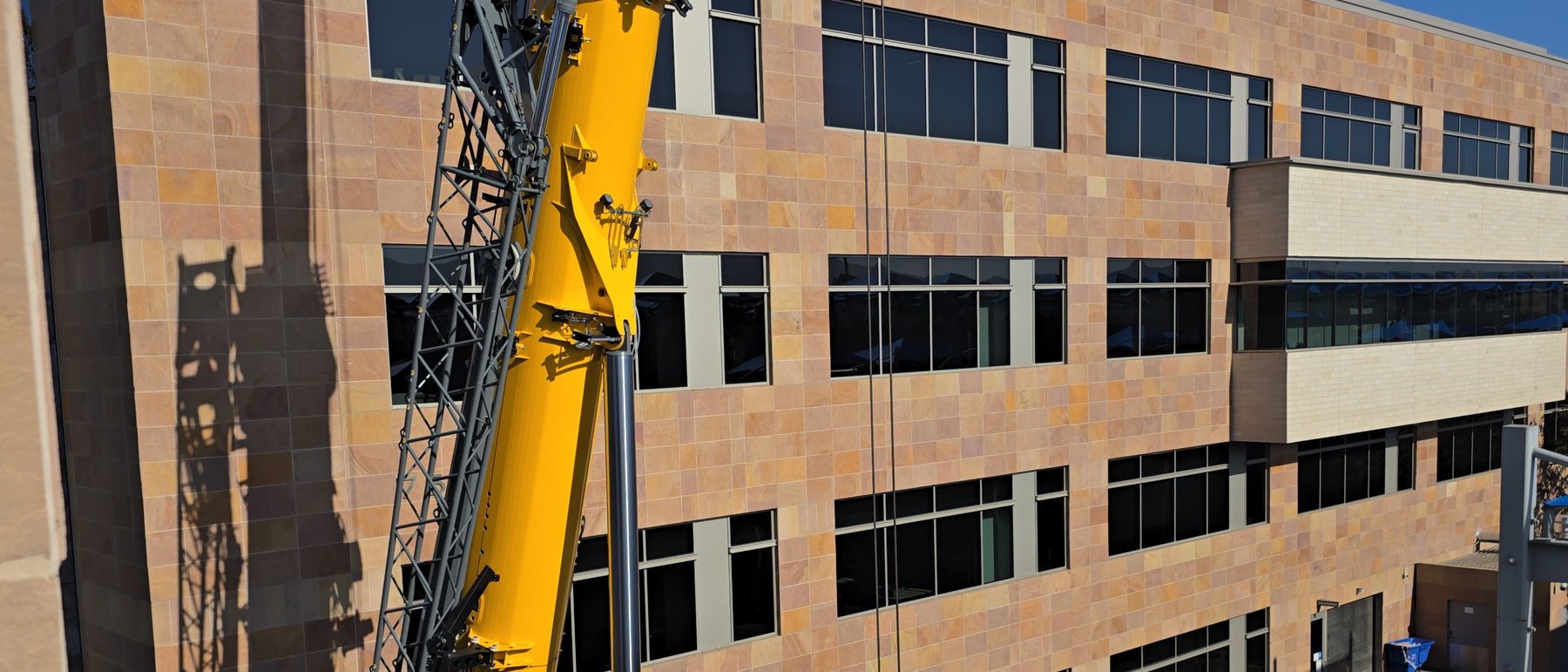
Mobile crane rigged alongside an occupied mid-rise office building for a single rooftop mobilization
One mobilization — the crane comes once

06 / Where it fits

Large rooftops on buildings that cannot close.

80–200 tons

Large packaged rooftops

Legacy units at end of useful life, any brand or built‑up, on buildings where the boilers are still running.

End of useful life
Terminal systems

VAV reheat & chilled beam

Buildings whose terminal systems need hot and chilled water, currently served by a boiler and a chiller.

Hydronic terminals
Occupied

Buildings still in use

Campuses, offices and institutions where the work has to fit a scheduled window rather than a shutdown.

Phased · Occupied

Multi‑zone or dual‑deck unit rather than a large packaged rooftop? See rooftop electrification for the three approaches built for those.

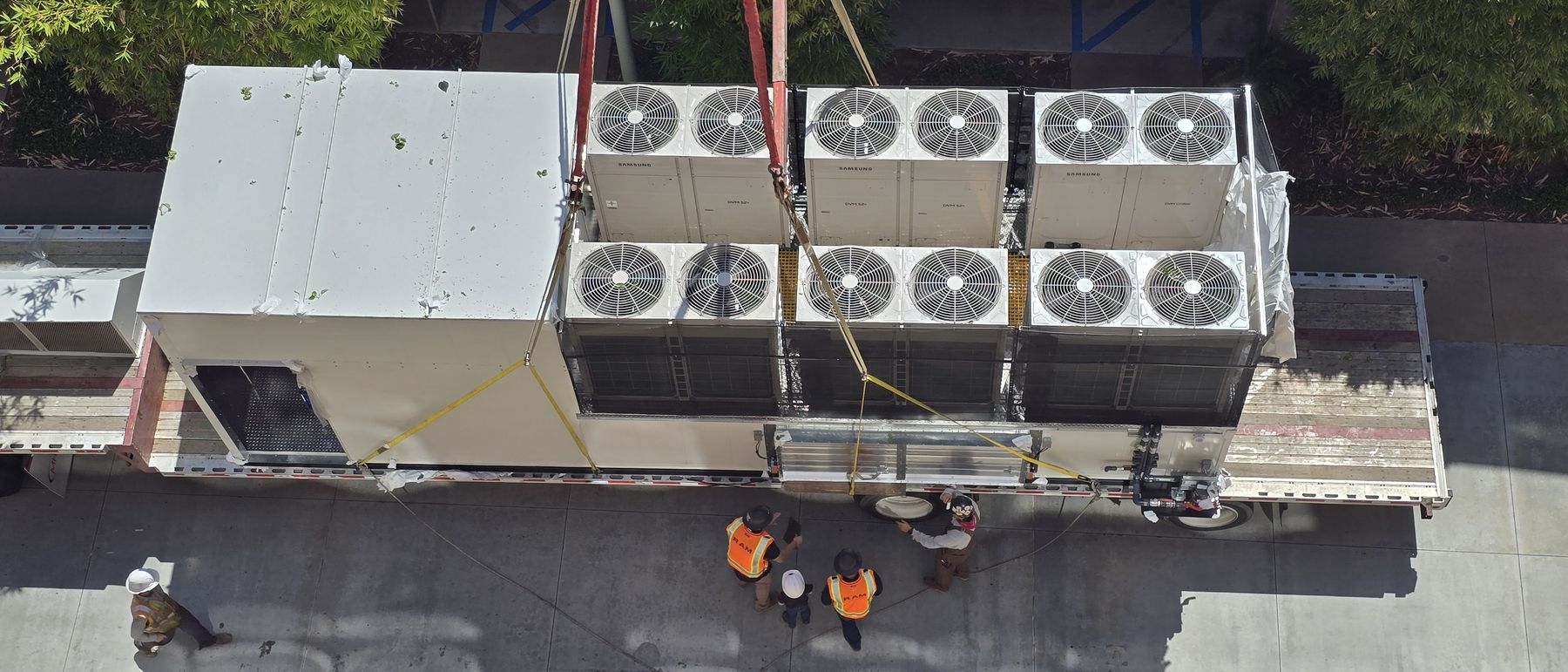
Replacement rooftop unit flying over an occupied building while crew stand clear below
Scheduled windows on buildings that stay open

07 / Written for the reviewer

The electrical claim, documented.

Retiring gas heating without adding connected load is an electrical argument before it is a mechanical one. Your engineer gets the load analysis, the capacity selections and the operating basis in the form a plan checker expects to read.

We will not tell you a product is code‑compliant. Adoption, amendments and local enforcement vary, and every project needs its own engineering validation and authority review.

Connected load analysisMCA / MOCP
Energy‑code pathway analysis90.1 / T24
Engineering submittal supportSpec‑ready
Cost and O&M modeling10‑yr lifecycle
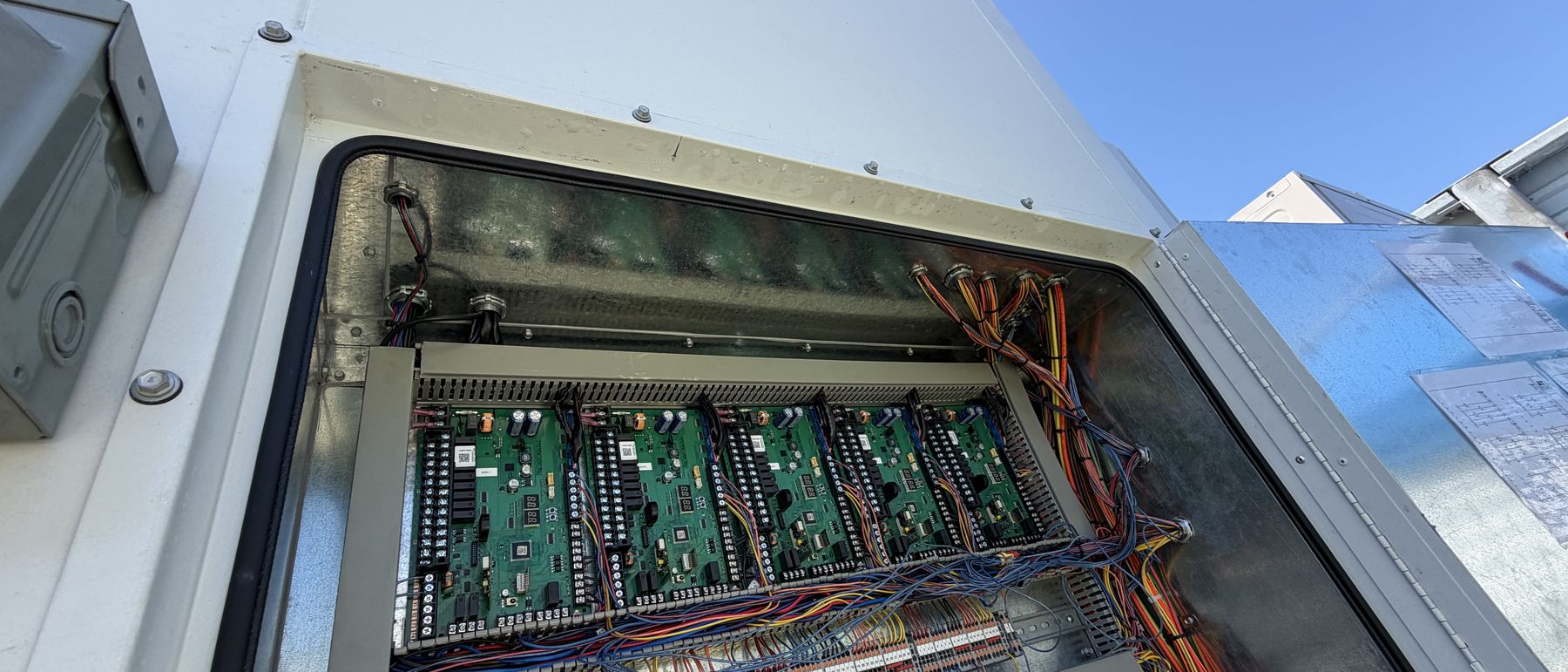
Factory-wired control panel with landed terminal blocks and labelled control boards
Factory wired, listed and documented as part of the unit

When are the rooftops due for replacement?

That date is the window for the boilers too. Send us the unit schedule and what the building runs on today, and we will show you what leaves the building and what the connected load looks like afterward.